 Opals
Opals
 Gemstones
 Jewelry
 Coins
Coins


Vous n'avez pas enchéri sur cette enchère.
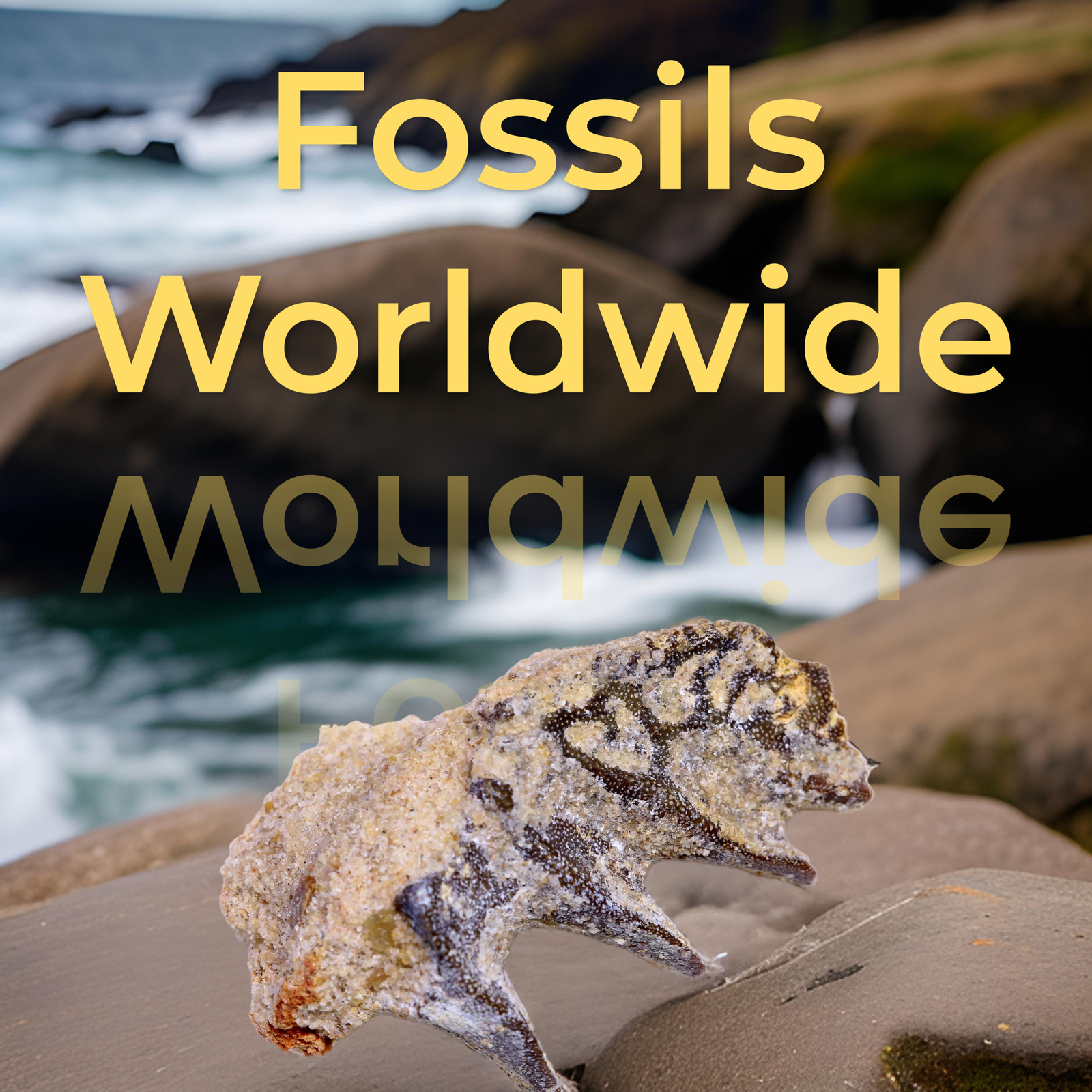
35.7Cts-Shark Teeth-Otodus-MOROCCO BG-814 brazilgems
- UGS
- BG-814
- Dimensions (mm)
- 40.7 x 35.8 x 9.8mm
- Poids (cts)
- 35.7
- Treatment
- No Treatment
- Shape
- Freeform
- Type
- Specimen
- Couleurs
-
SHARK TEETH
MOROCCO
FOSSIL SHARK TEETH OTODUS OBLIQUUS
Moroccan phosphate mines are a rich source of fossil shark teeth, particularly from the extinct Otodus obliquus, a relative of the Megalodon. These teeth, along with other marine fossils, are found in the phosphate deposits of the Khouribga region, dating back to the Cretaceous to Eocene ages.
Shark teeth are relics of shark evolution and biology, and as they are often the only part of the shark to survive fossilisation, represent much of the Selachimorpha fossil record, extending back hundreds of millions of years. The most ancient types of sharks date back to 450 million years ago during the Late Ordovician period, and they are mostly known from their fossilised teeth. The most common, however, are from the Cenozoic (65 million years ago). Sharks continually shed their teeth, and some Carchariniformes can shed approximately 35,000 teeth in a lifetime.
PARENT COMPANIES : TRUEBLUEOPALS PTY LTD (AUSTRALIA ) AND LIGHTNINGOPAL LLC (USA)
| Fournisseur | Destination | Coût |
|---|---|---|
| DHL Défaut |
Reste du monde
14
|
premier article
par article supplémentaire
frais de port plafonnés à
|
| FedEx |
Reste du monde
7
|
premier article
par article supplémentaire
frais de port plafonnés à
|
| Standard Shipping - Tracked |
Reste du monde
14
|
premier article
par article supplémentaire
frais de port plafonnés à
|
| Standard Shipping - Tracked Défaut |
Australie
7
|
premier article
par article supplémentaire
frais de port plafonnés à
|
| DHL Défaut |
les états-unis d'Amérique
14
|
premier article
par article supplémentaire
frais de port plafonnés à
|
| Express Shipping |
Australie
5
|
premier article
par article supplémentaire
frais de port plafonnés à
|
| FedEx |
les états-unis d'Amérique
7
|
premier article
par article supplémentaire
frais de port plafonnés à
|
| Standard Shipping - Tracked |
les états-unis d'Amérique
14
|
premier article
par article supplémentaire
frais de port plafonnés à
|
- UGS
- BG-814
- Dimensions (mm)
- 40.7 x 35.8 x 9.8 mm
- Poids (cts)
- 35.7
- Treatment
- No Treatment
- Shape
- Freeform
- Type
- Specimen
- Couleurs
-
SHARK TEETH
MOROCCO
FOSSIL SHARK TEETH OTODUS OBLIQUUS
Moroccan phosphate mines are a rich source of fossil shark teeth, particularly from the extinct Otodus obliquus, a relative of the Megalodon. These teeth, along with other marine fossils, are found in the phosphate deposits of the Khouribga region, dating back to the Cretaceous to Eocene ages.
Shark teeth are relics of shark evolution and biology, and as they are often the only part of the shark to survive fossilisation, represent much of the Selachimorpha fossil record, extending back hundreds of millions of years. The most ancient types of sharks date back to 450 million years ago during the Late Ordovician period, and they are mostly known from their fossilised teeth. The most common, however, are from the Cenozoic (65 million years ago). Sharks continually shed their teeth, and some Carchariniformes can shed approximately 35,000 teeth in a lifetime.
PARENT COMPANIES : TRUEBLUEOPALS PTY LTD (AUSTRALIA ) AND LIGHTNINGOPAL LLC (USA)
| Fournisseur | Destination | Coût |
|---|---|---|
| DHL Défaut |
Reste du monde
14
|
premier article
par article supplémentaire
frais de port plafonnés à
|
| FedEx |
Reste du monde
7
|
premier article
par article supplémentaire
frais de port plafonnés à
|
| Standard Shipping - Tracked |
Reste du monde
14
|
premier article
par article supplémentaire
frais de port plafonnés à
|
| Standard Shipping - Tracked Défaut |
Australie
7
|
premier article
par article supplémentaire
frais de port plafonnés à
|
| DHL Défaut |
les états-unis d'Amérique
14
|
premier article
par article supplémentaire
frais de port plafonnés à
|
| Express Shipping |
Australie
5
|
premier article
par article supplémentaire
frais de port plafonnés à
|
| FedEx |
les états-unis d'Amérique
7
|
premier article
par article supplémentaire
frais de port plafonnés à
|
| Standard Shipping - Tracked |
les états-unis d'Amérique
14
|
premier article
par article supplémentaire
frais de port plafonnés à
|
2nd generation stone miners and dealers cutting shop and mining in Brazil.
-
 Positif
Paid and shipped - no feedback left after 100 days

-
Positif
Paid and shipped - no feedback left after 100 days

-
Positif
thank you absolute lovely stone

-
Positif
Thank you for the opportunity to buy great gemstones


Pourquoi les utilisateurs se surenchérissent-ils ?
Lorsqu'une enchère est placée, il s'agit du montant maximum qu'une personne est prête à enchérir pour le produit. Notre système enchérira alors automatiquement au nom de l'enchérisseur, augmentant progressivement l'enchère jusqu'au maximum pour maintenir sa position de meilleur enchérisseur.
Lorsqu'une icône indiquant « Enchère automatique » apparaît, cela signifie que notre système place activement des enchères pour l'enchérisseur en fonction de son enchère maximale. Cela peut donner l'impression que les enchérisseurs se surenchérissent, mais c'est simplement le résultat de la mise à jour de l'enchère par le système pour refléter la limite maximale des enchérisseurs.
