 Opals
Opals
 Gemstones
 Jewelry
 Coins
Coins


You have not bid on this auction.
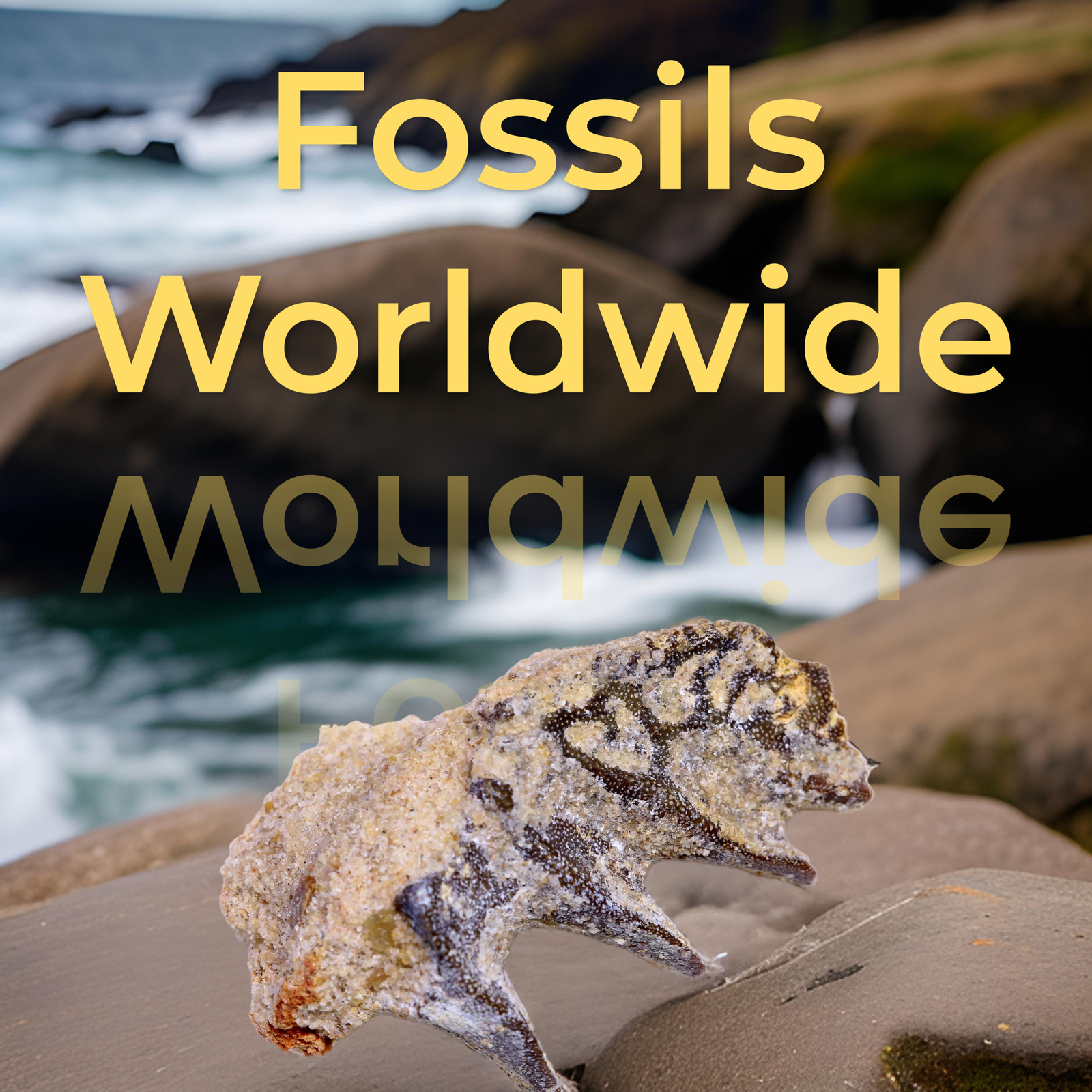
35.7Cts-Shark Teeth-Otodus-MOROCCO BG-814 brazilgems
- SKU
- BG-814
- Dimensions (mm)
- 40.7 x 35.8 x 9.8mm
- Weight (cts)
- 35.7
- Treatment
- No Treatment
- Shape
- Freeform
- Type
- Specimen
- Colours
-
SHARK TEETH
MOROCCO
FOSSIL SHARK TEETH OTODUS OBLIQUUS
Moroccan phosphate mines are a rich source of fossil shark teeth, particularly from the extinct Otodus obliquus, a relative of the Megalodon. These teeth, along with other marine fossils, are found in the phosphate deposits of the Khouribga region, dating back to the Cretaceous to Eocene ages.
Shark teeth are relics of shark evolution and biology, and as they are often the only part of the shark to survive fossilisation, represent much of the Selachimorpha fossil record, extending back hundreds of millions of years. The most ancient types of sharks date back to 450 million years ago during the Late Ordovician period, and they are mostly known from their fossilised teeth. The most common, however, are from the Cenozoic (65 million years ago). Sharks continually shed their teeth, and some Carchariniformes can shed approximately 35,000 teeth in a lifetime.
PARENT COMPANIES : TRUEBLUEOPALS PTY LTD (AUSTRALIA ) AND LIGHTNINGOPAL LLC (USA)
| Provider | Destination | Cost |
|---|---|---|
| DHL Default |
Rest of World
14 days
|
first item
per additional item
shipping capped at
|
| FedEx |
Rest of World
7 days
|
first item
per additional item
shipping capped at
|
| Standard Shipping - Tracked |
Rest of World
14 days
|
first item
per additional item
shipping capped at
|
| Standard Shipping - Tracked Default |
Australia
7 days
|
first item
per additional item
shipping capped at
|
| DHL Default |
United States of America
14 days
|
first item
per additional item
shipping capped at
|
| Express Shipping |
Australia
5 days
|
first item
per additional item
shipping capped at
|
| FedEx |
United States of America
7 days
|
first item
per additional item
shipping capped at
|
| Standard Shipping - Tracked |
United States of America
14 days
|
first item
per additional item
shipping capped at
|
- SKU
- BG-814
- Dimensions (mm)
- 40.7 x 35.8 x 9.8 mm
- Weight (cts)
- 35.7
- Treatment
- No Treatment
- Shape
- Freeform
- Type
- Specimen
- Colours
-
SHARK TEETH
MOROCCO
FOSSIL SHARK TEETH OTODUS OBLIQUUS
Moroccan phosphate mines are a rich source of fossil shark teeth, particularly from the extinct Otodus obliquus, a relative of the Megalodon. These teeth, along with other marine fossils, are found in the phosphate deposits of the Khouribga region, dating back to the Cretaceous to Eocene ages.
Shark teeth are relics of shark evolution and biology, and as they are often the only part of the shark to survive fossilisation, represent much of the Selachimorpha fossil record, extending back hundreds of millions of years. The most ancient types of sharks date back to 450 million years ago during the Late Ordovician period, and they are mostly known from their fossilised teeth. The most common, however, are from the Cenozoic (65 million years ago). Sharks continually shed their teeth, and some Carchariniformes can shed approximately 35,000 teeth in a lifetime.
PARENT COMPANIES : TRUEBLUEOPALS PTY LTD (AUSTRALIA ) AND LIGHTNINGOPAL LLC (USA)
| Provider | Destination | Cost |
|---|---|---|
| DHL Default |
Rest of World
14 days
|
first item
per additional item
shipping capped at
|
| FedEx |
Rest of World
7 days
|
first item
per additional item
shipping capped at
|
| Standard Shipping - Tracked |
Rest of World
14 days
|
first item
per additional item
shipping capped at
|
| Standard Shipping - Tracked Default |
Australia
7 days
|
first item
per additional item
shipping capped at
|
| DHL Default |
United States of America
14 days
|
first item
per additional item
shipping capped at
|
| Express Shipping |
Australia
5 days
|
first item
per additional item
shipping capped at
|
| FedEx |
United States of America
7 days
|
first item
per additional item
shipping capped at
|
| Standard Shipping - Tracked |
United States of America
14 days
|
first item
per additional item
shipping capped at
|
2nd generation stone miners and dealers cutting shop and mining in Brazil.
-
 Positive
Paid and shipped - no feedback left after 100 days

-
Positive
Paid and shipped - no feedback left after 100 days

-
Positive
thank you absolute lovely stone

-
Positive
Thank you for the opportunity to buy great gemstones


Why are users outbidding themselves?
When a bid is placed, this is the maximum amount a person is willing to bid for the product. Our system will then automatically bid on behalf of the bidder, incrementally increasing the bid up to the maximum to maintain their position as the highest bidder.
When there is an icon indicating 'Automatic Bid', it means our system is actively placing bids for the bidder based on their maximum bid. This may appear as if bidders are outbidding themselves, but it's simply a result of the system updating the bid to reflect the bidders maximum limit.
